
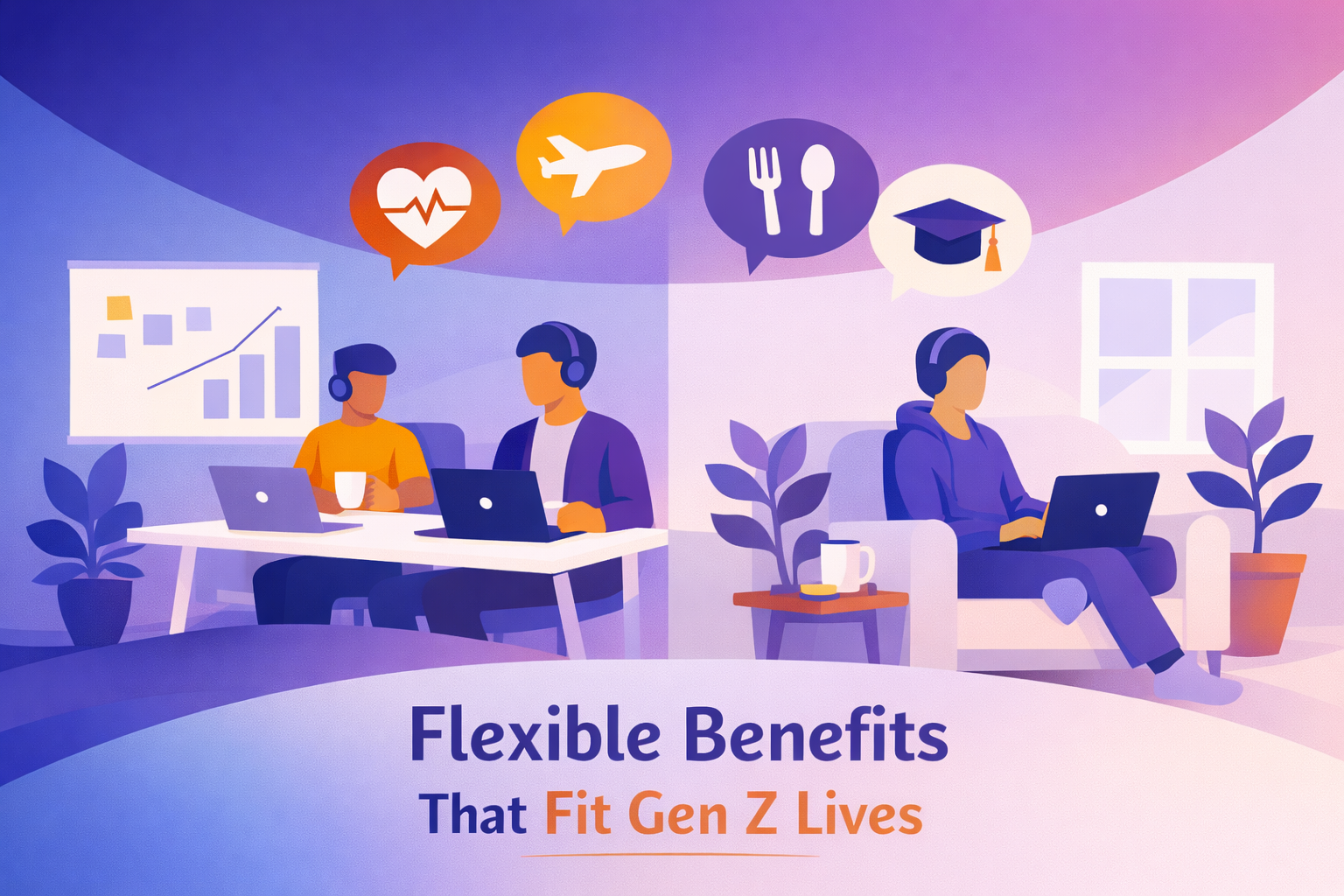
The workforce is shifting, and the impact is visible in every interview, onboarding session, and exit conversation. Gen Z, now entering the workforce in large numbers, isn’t motivated by the same perks that previous generations accepted without question. They want more than just a paycheck — they want work that fits their lives, respects their individuality, and fuels their growth.
For HR leaders and founders, understanding this shift isn’t optional — it’s essential to building teams that thrive.
Understanding Gen Z: The Values Shaping the Modern Workforce
Unlike Millennials, who sought balance and purpose, Gen Z is redefining what it means to work well. Their priorities are clear:
- Purpose over perks: They want to feel that their work has meaning, and that their company’s mission aligns with their own values.
- Flexibility as a baseline: Remote work, adjustable schedules, and autonomy aren’t bonuses — they’re expected.
- Personal growth: Opportunities to learn, develop, and advance are more attractive than traditional “status” perks.
- Well-being beyond the office: Mental health, wellness, and work-life integration are non-negotiable.
Simply put, Gen Z employees want to feel seen as individuals, not just cogs in a machine.
The Disconnect: Why Traditional Benefits Fall Short
Many benefits programs are still designed for the workforce of 10 or 20 years ago. Health insurance, 401(k)s, and commuter stipends — while important — rarely address the diverse, personalized needs of today’s teams.
Consider this: a commuter stipend doesn’t matter to someone working from home. Childcare support is irrelevant to a single employee who wants professional development. Generic perks often go unused, leaving HR teams frustrated and employees disengaged.
The solution isn’t more benefits. It’s better benefits — flexible, meaningful, and tailored to real employee lives.
Lifestyle Benefits: Meeting Gen Z Where They Are
This is where lifestyle benefits come in. Unlike traditional perks, lifestyle benefits give employees a flexible monthly allowance that they can use however it suits them.
Whether an employee wants to invest in:
- Fitness and wellness programs
- Learning and professional development
- Family support or childcare
- Everyday essentials or personal experiences
…they have the autonomy to choose what matters most.
By offering choice rather than a fixed menu, companies meet employees where they are, rather than forcing them into one-size-fits-all programs. The result is a benefits program that is both highly utilized and deeply appreciated — the rare combination HR teams dream of.
Flexibility Drives Engagement, Retention, and Culture
Flexible benefits do more than improve satisfaction — they create loyalty and strengthen culture. Here’s why:
- Employees feel valued: When people can choose benefits that fit their lives, they feel seen and respected.
- Engagement rises naturally: Employees who feel supported are more motivated, productive, and connected to company goals.
- Retention improves without added cost: Personalized benefits can be more powerful than raises or bonuses in keeping talent.
- HR gains efficiency: Centralized, flexible programs reduce administrative burden and simplify management.
Put simply: flexibility isn’t a perk — it’s a strategic advantage.
Turning Insight Into Action
For HR leaders and founders wondering where to start, here’s a framework:
- Listen actively: Gather insights through surveys, focus groups, or one-on-one conversations to understand what employees truly value.
- Offer choice, not assumptions: Flexible lifestyle benefits let employees decide what matters most to them.
- Simplify access: Centralized platforms make it easy for employees to manage and use benefits, and for HR to track utilization and impact.
- Tie benefits to culture: Flexible benefits send a clear signal: “We care about you as a person, not just a performer.”
Companies that embrace this approach don’t just retain talent — they attract it. They don’t just offer perks — they create experiences that employees want to talk about and share.
The Takeaway: Personalization Is the Future of Work
Gen Z is teaching the workforce a simple lesson: relevance matters more than tradition. They want benefits that support their growth, well-being, and individuality.
Flexible lifestyle benefits make that possible. They help employees feel seen, supported, and motivated — while giving HR leaders a scalable, efficient solution that actually works.
For founders and HR leaders, the question isn’t if you should adapt — it’s how quickly. The companies that embrace flexibility today will win the talent of tomorrow.
And platforms like LIVD make delivering that kind of personalized, flexible experience easier than ever — turning benefits into a tool for engagement, retention, and culture-building, all in one place.
Because when employees feel supported in their whole lives — not just at work — they do their best work.