
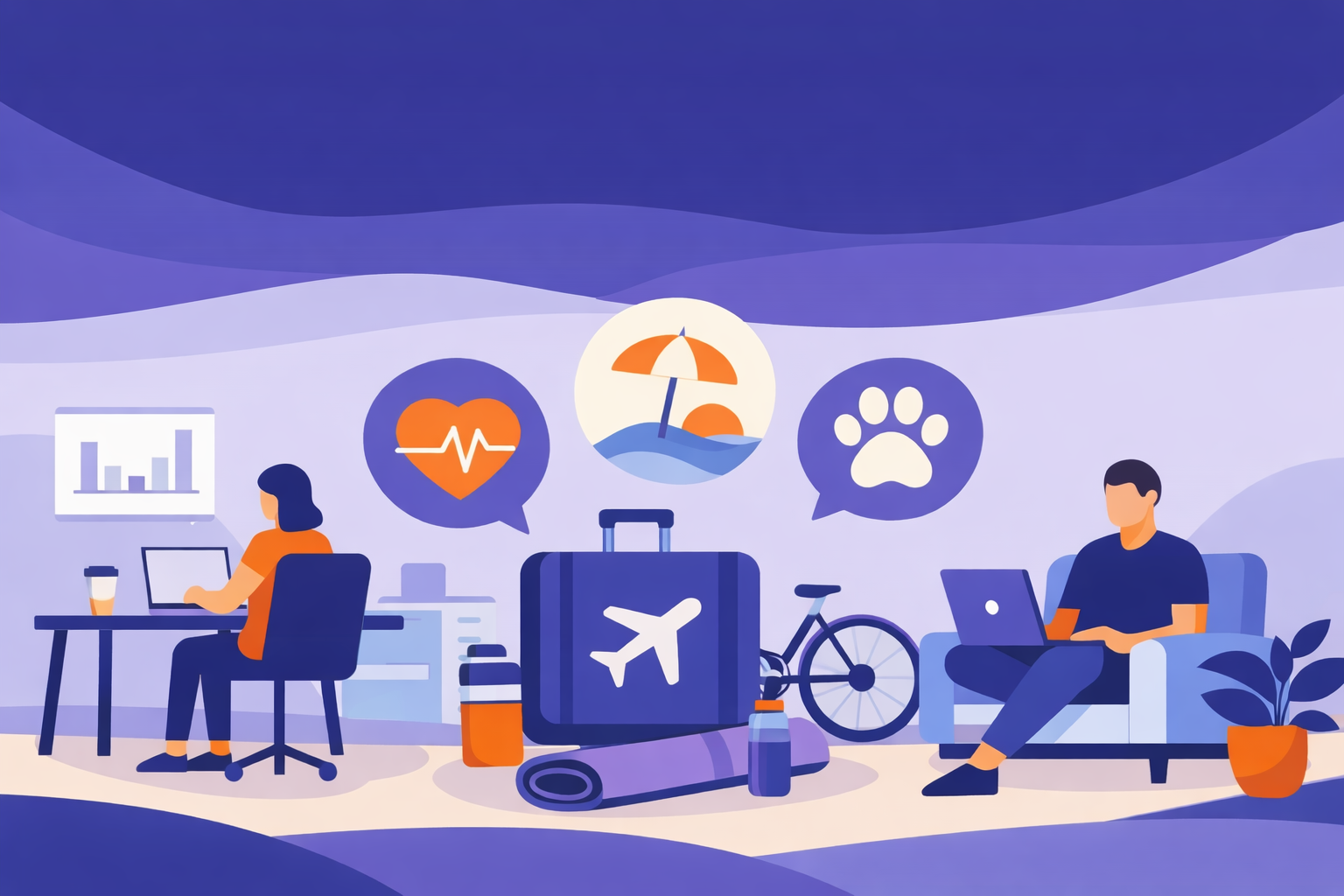
HR leaders don’t need another trend to chase. You need solutions that actually work — for your employees and for your team.
As we head into 2026, one thing is clear: traditional benefits alone are no longer enough. Health insurance, PTO, and retirement plans are table stakes. What employees increasingly value — and what differentiates great employers — is how well benefits support real life.
That’s where flexible lifestyle benefits come in.
This isn’t about flashy perks or office snacks. It’s about giving employees choice, autonomy, and benefits they actually use — without creating more work for HR.
The Problem with Traditional Benefits (and Why Employees Feel It)
Most benefits programs were designed for a workforce that no longer exists.
Today’s teams are:
- Multi-generational
- Distributed or hybrid
- Balancing caregiving, financial stress, wellness, and personal growth
Yet many benefits programs still assume that one-size-fits-all works.
The result?
- Benefits go unused
- Employees don’t feel seen or supported
- HR teams invest time and money with little return
In fact, many employees couldn’t confidently explain the benefits available to them — or how those benefits improve their day-to-day lives.
When benefits feel disconnected from real life, they lose their impact.
What Are Flexible Lifestyle Benefits?
Flexible lifestyle benefits give employees a monthly or annual allowance they can spend on categories that matter most to them.
Instead of HR deciding which perks everyone gets, employees choose how to use their benefit dollars — from wellness and learning to family support and everyday lifestyle needs.
Examples include:
- Fitness, wellness, or mental health support
- Learning, professional development, or career growth
- Family, pet care, or caregiving expenses
- Entertainment, experiences, and personal enrichment
The key difference?
Choice.
Employees don’t receive “benefits they should want.” They receive benefits they actually want.
Why Flexible Benefits Are Becoming a Must‑Have in 2026
This shift isn’t theoretical — it’s driven by real changes in how people work and live.
1. Employee Expectations Have Changed
Employees now expect personalization everywhere — from the apps they use to the benefits they receive.
When benefits feel rigid or irrelevant, they signal a disconnect between employer intent and employee reality.
Flexible benefits meet employees where they are — without asking HR to predict everyone’s needs.
2. Retention Is About Feeling Valued, Not Just Paid
Compensation matters, but feeling understood matters more.
Flexible lifestyle benefits communicate trust and respect:
“We don’t know what matters most to you — so we’ll let you decide.”
That message builds loyalty in a way traditional perks simply can’t.
3. HR Teams Need Simplicity, Not Complexity
HR leaders are already managing:
- Compliance
- Payroll
- Performance
- Engagement
- Recruiting
Adding another complex program isn’t realistic.
Modern lifestyle benefits platforms remove administrative burden — automating allowances, tracking usage, and keeping everything in one place.
Flexibility for employees shouldn’t mean more work for HR.
4. SMBs Need Scalable, Cost‑Predictable Benefits
For small and mid‑sized businesses, benefits need to be:
- Easy to launch
- Easy to manage
- Easy to budget
Flexible lifestyle benefits scale naturally with headcount and allow employers to set clear monthly or annual budgets — without sacrificing employee experience.
Why “More Perks” Isn’t the Answer
Many companies respond to engagement challenges by adding more benefits.
More vendors. More programs. More logins.
But more doesn’t mean better.
Employees don’t want an overwhelming list of perks — they want relevant options and clear value.
Flexible lifestyle benefits replace complexity with clarity:
- One platform
- One allowance
- Endless ways for employees to personalize their experience
Where LIVD Fits In
LIVD was built for the realities HR teams face today.
We believe benefits should:
- Adapt to employees’ lives
- Be simple for HR to manage
- Drive real engagement, not just adoption
With LIVD, companies can:
- Offer lifestyle benefits without overhauling their entire benefits stack
- Set predictable budgets that scale with the business
- Give employees meaningful choice through an easy‑to‑use app
No unnecessary complexity. No guessing what employees want. Just benefits that work.
The Bottom Line
In 2026, the question won’t be “Should we offer flexible lifestyle benefits?”
It will be “Why didn’t we do this sooner?”
The companies that win talent, retain their people, and build strong cultures will be the ones that move beyond one‑size‑fits‑all benefits — and give employees the flexibility they’re asking for.
If you’re ready to modernize your benefits without adding work to your plate, flexible lifestyle benefits aren’t a nice‑to‑have anymore. They’re essential.
Curious what flexible lifestyle benefits could look like for your team? LIVD makes it easy to get started.